
Our Workshops
Our leadership portfolio of workshops helps develop the human, team, and strategic muscles that will matter most in an AI‑accelerated, constantly changing world. It complements the Leadership Navigator framework by turning its future-focused compass points into practical, hands-on learning experiences, yet each workshop can also stand alone as a targeted intervention for specific gaps or initiatives.
The Leadership Navigator helps leaders see the bigger map: who they need to become, how AI and Relational AI reshape work, and which future signals should shape decisions today. The workshop portfolio is the “practice field” for that map—each session drills into concrete skills like coaching, change leadership, cross‑cultural collaboration, and customer‑centric innovation that align to Navigator compass points but can be deployed independently based on context, level, or business priority.
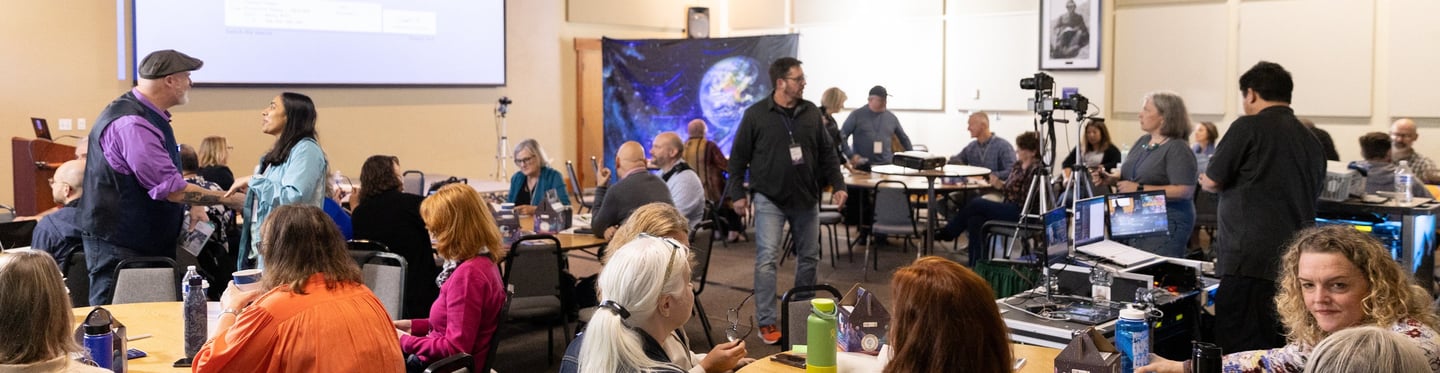
This interactive experience helps leaders build teams that work well across cultures, time zones, and different working styles. Participants explore how bias, communication norms, and power dynamics show up in global or diverse teams, then learn practical ways to design more inclusive ways of working. Through reflection and group activities, they map their own style, understand others’ preferences, and experiment with new collaboration patterns. The workshop strengthens cultural intelligence and equips leaders to create environments where difference becomes an asset, not friction.
Maximizing Team Synergy:
Adapting, Communicating, and Thriving
This workshop gives leaders a practical model for what “high‑performing team” actually looks like and how to build it over time. Participants assess their current team against core elements such as trust, clarity of purpose, shared norms, and constructive conflict. They experiment with tools to strengthen communication, decision‑making, and accountability, including how to connect daily work to a larger mission. Each leader leaves with a focused action plan to shift their team one performance level up.
Working Backwards introduces a simple but powerful way to design initiatives from the customer’s reality, not internal assumptions. Participants work through a live business problem, moving from customer insight to press‑release‑style vision, FAQs, and an experiment roadmap. Along the way, they learn to turn qualitative and quantitative signals into clear problem statements and bold yet testable solutions. Leaders leave with a repeatable innovation method they can apply to products, services, and internal change efforts.
Developing High‑Performing Teams
Working Backwards:
Unlock Customer‑Centric Innovation
Elevating Emotional Intelligence:
Unlock Your Leadership Potential
This workshop deepens leaders’ emotional intelligence so they can stay grounded, responsive, and effective under pressure. Participants map their emotional triggers, learn regulation strategies, and practice reading the emotional climate of a room or team. They apply EI tools to real leadership scenarios such as conflict, feedback, and change conversations. The outcome is a more self‑aware, intentional leadership style that improves relationships and results.
Cultivating a Growth Mindset
Elevate Your Influence: Navigating Relationships and Aligning Stakeholders
Cultivating a Growth Mindset helps leaders and teams reframe how they see challenge, feedback, and failure. Participants explore the difference between fixed and growth mindsets and identify where each currently shows up in their leadership. They practice language and rituals that normalize experimentation, learning, and iteration, especially in high‑stakes or high‑change environments. Leaders leave with specific ways to embed growth‑mindset behaviors into goals, feedback, and team norms.
This session equips leaders to influence across the organization, especially when they don’t have formal authority. Participants learn to map stakeholders, understand motivations, and craft influence strategies that balance data, story, and relationship. They practice conversations for gaining buy‑in, handling resistance, and aligning competing priorities. The workshop builds practical influence skills that help leaders move work forward in complex, matrixed environments.
Leading Through Change
In this session, leaders explore the human side of change so they can guide teams through uncertainty with more steadiness and transparency. They learn key stages of change, common emotional responses, and how to adjust their communication and support accordingly. Through case work and planning, participants design real change conversations, stakeholder maps, and micro‑moves they can use back on the job. The workshop helps leaders move from “announcing change” to actively stewarding people through it.
Leveraging Pulse Survey
Scores for Team Growth
Navigating Challenging Conversations
In this session, leaders learn how to turn pulse survey data into meaningful action instead of dashboard fatigue. They practice reading trends, identifying signal versus noise, and choosing where to focus for the highest impact on engagement and performance. The workshop also covers how to share results transparently, hold constructive follow‑up conversations, and co‑design actions with the team. Participants leave with a simple data‑to‑dialogue‑to‑action playbook they can reuse after every survey cycle.
This workshop equips leaders to handle tough conversations, performance issues, conflict, and misalignment with more confidence and less collateral damage. Participants learn how to prepare intentionally, set the right tone, and structure conversations that balance candor with care. Through guided practice, they experiment with language, listening, and recovery strategies when things get tense or emotional. The result is a repeatable approach that strengthens trust while still addressing the real issue.
Coaching Using the GROW Model
This session builds coaching as a core leadership habit, not a once‑a‑year event. Participants learn and apply the GROW model (Goal, Reality, Options, Way Forward) to real workplace scenarios, strengthening their ability to ask better questions instead of jumping straight to advice. They experiment with handling resistance, setting clear commitments, and building accountability into follow‑up conversations. Leaders walk away with a coaching toolkit they can use to unlock performance and potential across their teams.
Leading Virtual Teams
Leading with Empathy
This workshop focuses on what it really takes to lead effectively when teams are hybrid, remote, or fully distributed. Leaders learn tactics for building trust at a distance, keeping communication tight without micromanaging, and designing rituals that maintain connection and focus. They identify typical failure modes in virtual teams—misalignment, isolation, unclear ownership—and build responses they can test immediately. Participants leave with a set of practical virtual-leadership practices they can plug into their current team structures.
Leading with Empathy helps leaders use empathy as a strategic capability, not just a “soft” skill. Participants learn to recognize their own patterns, listen beneath the surface, and respond in ways that validate experience without lowering expectations. The session includes practice creating psychological safety, setting boundaries with care, and using empathy in decisions that affect people’s work and lives. Leaders leave with concrete behaviors they can use to build trust and resilience on their teams.
Curious which workshops fit your leaders best? Let’s map the right mix for your team and context, whether you start with one session or a full pathway.